SHUN CUTLERY BLOG: BEHIND THE BLADE
The Art of the Last Bite: Chef Ana Sofia Pino on Heritage, Hospitality, and Heart
At Lutèce in Washington D.C., Pastry Chef Ana Sofia Pino creates desserts that are about more than the final course—they're an opportunity to leave guests with a lasting memory. From discovering her passion through cake decorating classes as a child to rediscovering her purpose in the kitchen at Lutèce, Ana Sofia has built her career around hospitality, creativity, and mentorship. In this edition of BEHIND THE BLADE, she shares how her Peruvian heritage, compassion for her team, and appreciation for quality tools continue to shape her approach to pastry.
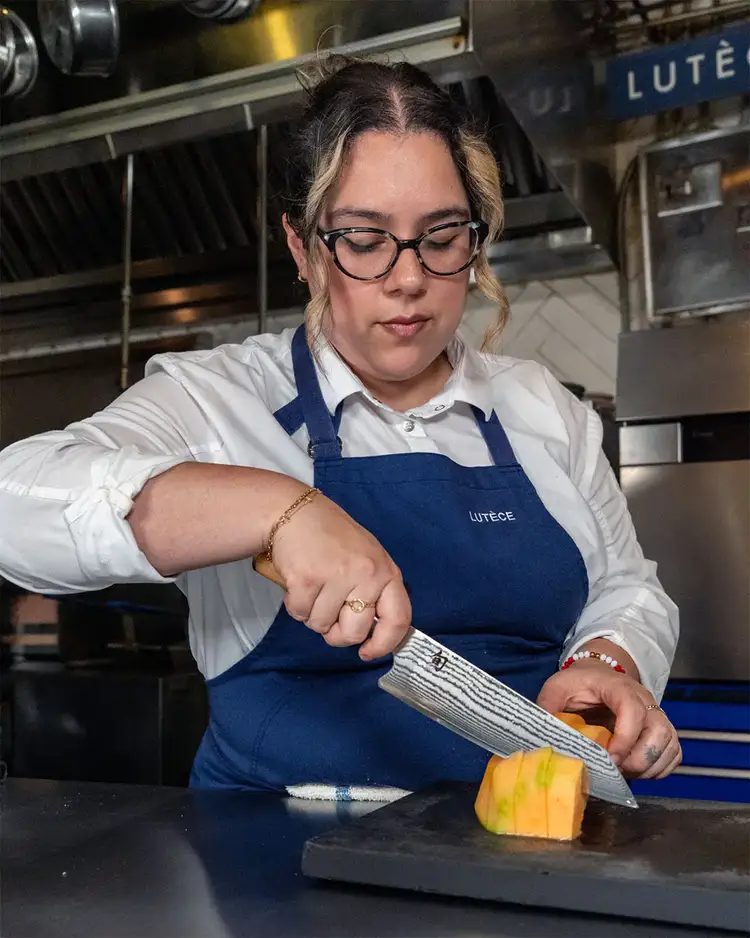
Tell us about yourself.
Ana Sofia Pino: My name is Ana Sofia Pino. I'm a first-generation Peruvian American, born and raised in Maryland.
How long have you been in the culinary space?
Ana Sofia Pino: I've been in the industry for about 10 years. I graduated from The CIA in 2016 and have been working in professional kitchens ever since.
What brought you into the culinary world?
Ana Sofia Pino: My love for hospitality. I love creating dishes that bring people joy, and as a pastry chef, I have the privilege of crafting the last bite of someone's meal. There's something incredibly humbling about ending a dining experience on a memorable note.
How did you learn?
Ana Sofia Pino: My high school had a restaurant management program with a full commercial kitchen. We prepared lunch for the teachers every day and occasionally hosted pop-up events for students. My instructor was a chef in the industry who taught us not only the fundamentals of cooking and baking, but also how to move confidently in a professional kitchen and embrace our creativity.
Were there any early food memories or experiences that inspired your love for pastry and hospitality community?
Ana Sofia Pino: Michael's craft stores used to host Wilton cake decorating classes, and my mom would take me whenever she could. She was always amazed by how quickly I picked up the techniques and would tell me, "Tienes arte en las manos," which means, "There is art in your hands." What I loved most about those classes was that everyone was learning to create something special for someone else.
Who were your biggest influences in the pastry chef space? What was one of the most valuable lessons you learned during your training?
Ana Sofia Pino: My biggest influence has always been my first chef, Sarah Malphrus. She was—and still is—a force to be reckoned with. Her creativity constantly inspired me to think bigger and push myself. One lesson she always shared was, "You catch more flies with honey than vinegar." That's something I've carried with me throughout my career. I've always believed in leading teams with compassion and thoughtful coaching rather than anger.
Tell us something that you’re most proud of in the work you’ve done over the years.
Ana Sofia Pino: The work I'm most proud of isn't actually the food—it's the people. Reconnecting with former cooks and team members and hearing about their growth, new projects, and accomplishments is incredibly rewarding. It's humbling to know that something you taught someone has stayed with them throughout their career.
How important are the tools you use in the kitchen and why?
Ana Sofia Pino: Tools are everything. Honestly, I think they choose you as much as you choose them. Every chef has that favorite spoon, offset spatula, or knife that simply feels right.
What is the evolution of your relationship with knives in your career?
Ana Sofia Pino: I was gifted my first knives when I was about 10 years old. A family friend was in culinary school and was learning fruit carving. I loved watching her create these beautiful displays, so she gave me a set of small carving knives to practice with myself. That's when I first learned to appreciate the value of a well-made knife.
What makes a great knife?
Ana Sofia Pino: I think a great knife keeps a good edge between sharpening.
What is your go-to knife?
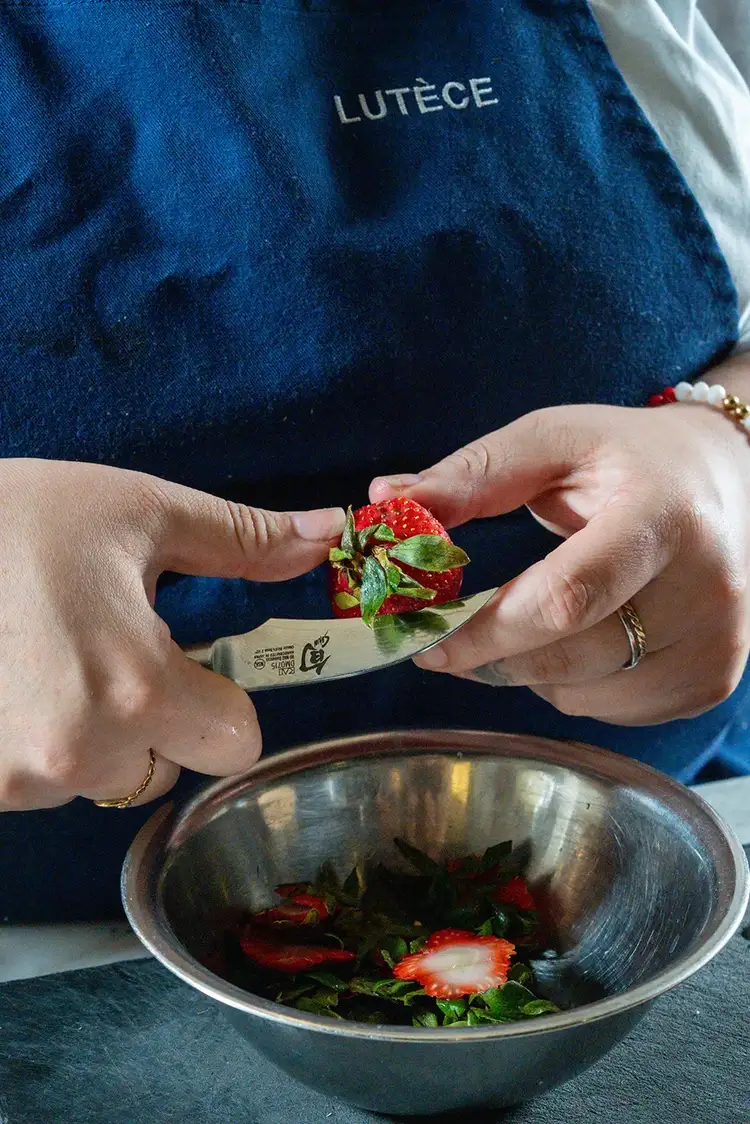
Ana Sofia Pino: My go-to knife is currently Shun's offset breadknife. I use it to cut cakes, tarts and of course a crusty sourdough.
What advice would you give to aspiring pastry chefs who are just starting out?
Ana Sofia Pino: Don't focus so much on titles—focus on the work. Absorb as much knowledge as you can from every kitchen and every chef you meet. And don't be afraid to fail. That's where the greatest lessons happen.
Are there specific cuisines or traditions you feel especially connected to?
Ana Sofia Pino: As a Peruvian, I'll always feel deeply connected to our culture and cuisine. One tradition that's especially meaningful to me is enjoying hot chocolate and panettone on Christmas Eve. I have vivid memories of sitting around the table with my late grandmother, sharing that tradition while everyone opened gifts at midnight. A fun fact that surprises many people is that although panettone originated in Italy, Peru is actually one of the world's largest consumers of it.
What do you love about the DC food & beverage community?
Ana Sofia Pino: I love how connected everyone is. Somehow, everyone knows everyone, and the community is incredibly uplifting and supportive.
What was a pivotal moment in your career that helped shape your culinary identity?
Ana Sofia Pino: Honestly, joining Lutèce. I've always loved what I do, but somewhere along the way I lost sight of why I loved it. Lutèce reminded me. It's such a special place, and working there reignited my passion. I rediscovered the emotion behind my work and learned to think of food as a conversation rather than simply something to consume.
What’s your go-to sweet treat?
Ana Sofia Pino: Strawberries with Nutella
If you could make a dessert for anyone in the world, who would it be and why?
Ana Sofia Pino: Right now I'm fully invested in World Cup season, so I'd have to say Lionel Messi. His story is incredibly inspiring, and it's been amazing to watch his growth throughout his career. I'd make him an alfajor-inspired sundae with dulce de leche swirled into vanilla ice cream, alfajor cookie crumble, and an espresso poured tableside.
If you had to describe your culinary journey in one word, what would it be?
Ana Sofia Pino: Fruitful
Watch: Chef Ana Sofia Pino on Crafting the Last Bite
Recent Articles
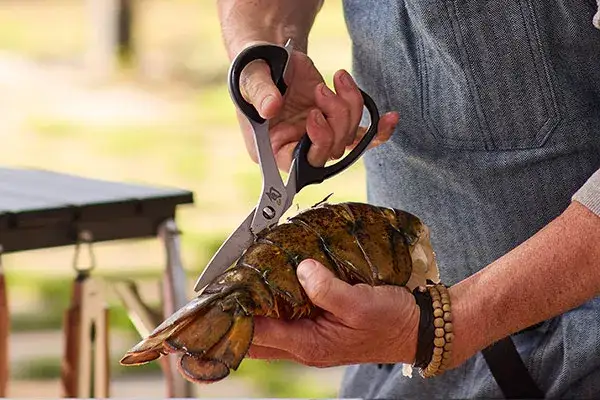
KNIFE KNOWLEDGE | What You Didn’t Know You Could Do With Kitchen Shears
Kitchen shears are one of the most overlooked tools in the kitchen. Explore how they bring speed, control, and precision to everyday prep, and why they deserve a place alongside your knives.
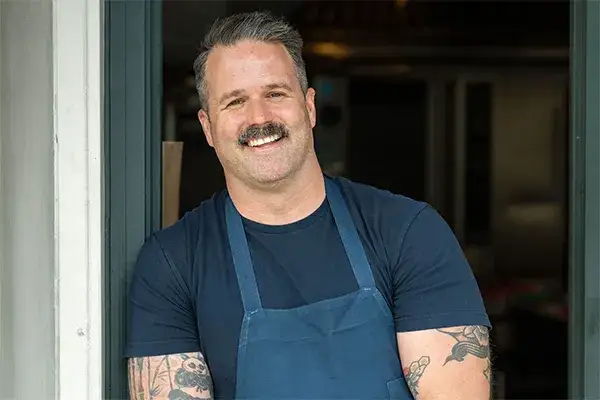
BEHIND THE BLADE | Refined Over Time: Chef Avery Hardin on Tools, Technique, and Growth
With 25 years in the kitchen, Chef Avery Hardin shares how experience, consistency, and the right tools continue to shape his craft.
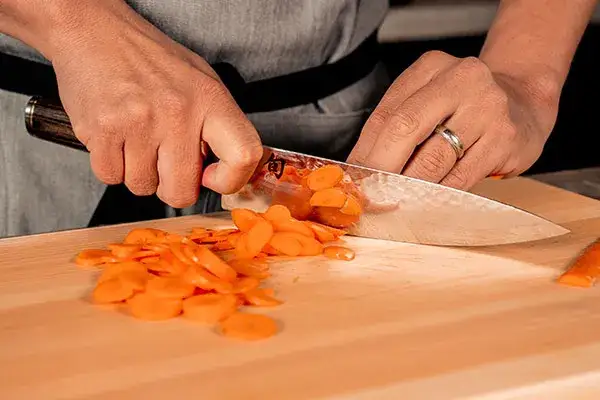
KNIFE KNOWLEDGE | Shun 101 Part 1: Why Shun Knives Feel So Different
Discover why Shun knives stand apart through centuries of Japanese craftsmanship, superior steel, and precision engineering. This article explores what makes Shun knives lighter, sharper, and more intuitive for effortless, elevated cooking every day.
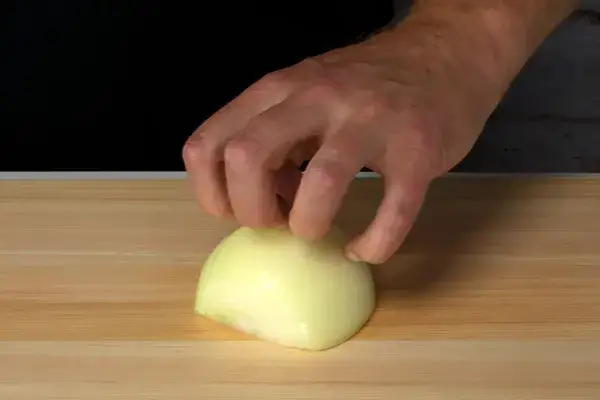
KNIFE KNOWLEDGE | Shun 101 Part 2: Knife Anatomy and the Perfect Chef’s Grip
Learn the anatomy of a Shun knife and how to hold it like a pro. This guide covers each part of the knife and demonstrates the chef’s grip, giving you better control, comfort, and cutting precision in the kitchen.
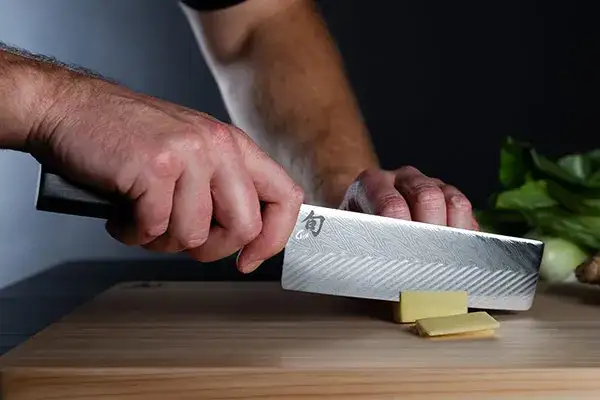
KNIFE KNOWLEDGE | Shun 101 Part 3: Essential Knife Cuts Every Home Chef Should Master
Mastering a few core knife cuts can transform your time in the kitchen. Whether you're prepping for a quick weeknight stir-fry or plating a dish with precision, the right cut enhances both flavor and presentation. With a Shun knife in hand, you’ll find each movement smoother, sharper, and more satisfying.
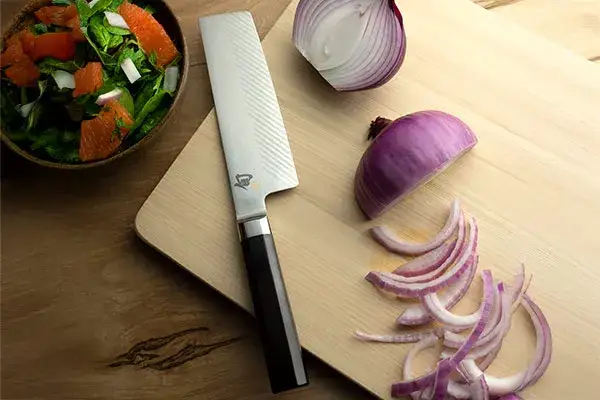
KNIFE KNOWLEDGE | Shun 101 Part 4: Knife Techniques for Everyday Ingredients
Learn essential cutting techniques for common kitchen staples like onions, bell peppers, and broccoli. This guide walks you through simple, effective steps to prep vegetables with confidence—using the right Shun knife for the job.
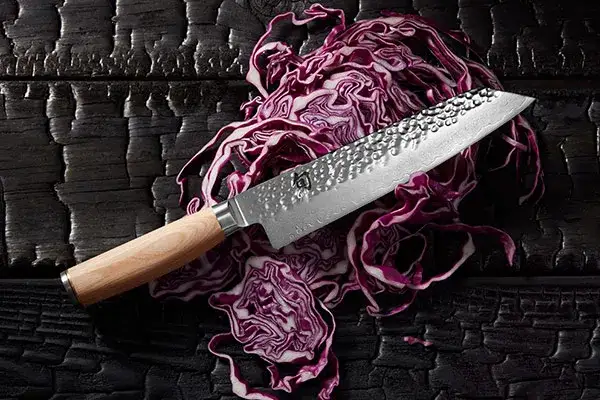
KNIFE KNOWLEDGE | Know Your Knife: Mastering the Kiritsuke Knife
Discover the story behind the kiritsuke—its heritage, purpose, and what sets each Shun version apart. Precision, tradition, and performance come together in this iconic blade.