SHUN CUTLERY BLOG: BEHIND THE BLADE
Raising the Bar: Kyton Blair on Flavor, Balance, and Craft
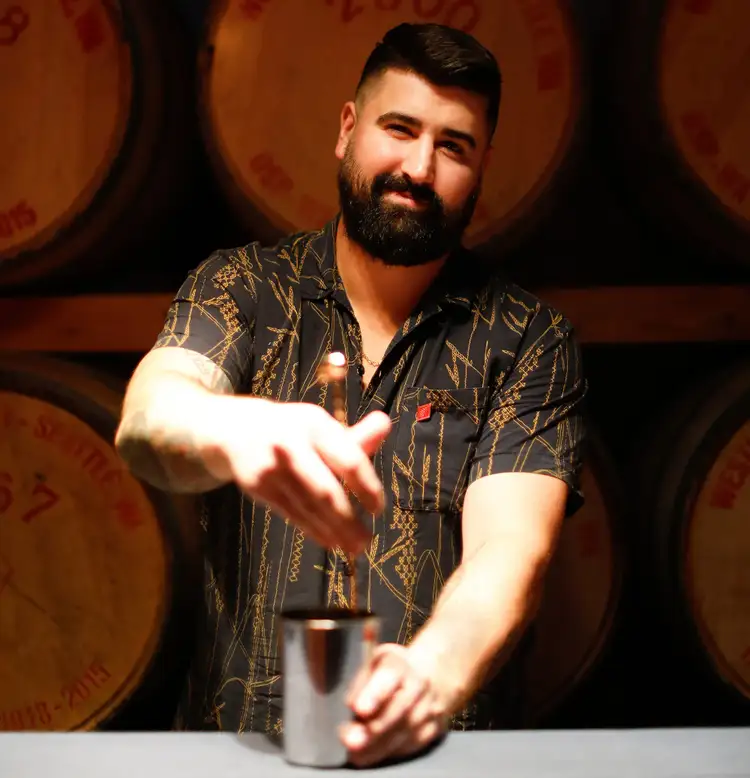
At Roquette in Seattle, every inch of the intimate bar is designed with purpose, and Bar Manager Kyton Blair brings that same intention to every drink he serves. From his early days as a busser at Ray’s Boathouse to helping open Roquette and curating its cocktail menu, Kyton has built his career on curiosity, precision, and hospitality. In this edition of Behind the Blade, he shares how tasting everything, asking questions, and using the right tools have shaped his approach behind the bar.
Tell us about yourself.
Kyton Blair: Hi, my name is Kyton Blair, and I am the Bar Manager of Roquette in Seattle, Washington. I helped open the bar seven years ago and curate the drink menu.
How long have you been in the beverage space?
Kyton Blair: I began working in the service industry 12 years ago as a busser at an iconic Seattle restaurant called Ray’s Boathouse. My first official bar job was as a barback at Stoneburner.
What brought you into the hospitality and drink world?
Kyton Blair: I got my first job through a friend I worked with in music hospitality. He thought it would suit my pleasant demeanor, and looking back now, I couldn’t agree more.
How did you learn?
Kyton Blair: I learned by watching and asking every question I could. If I didn’t know the cocktail or flavors, I would ask and taste everything, from the cocktails to sauces the cooks were preparing. This helped me develop a palate that crossed from bar to kitchen and everything in between, which has proven invaluable in the long run.
Were there any early memories or experiences that inspired your love for mixology and the hospitality community?
Kyton Blair: I would say the different people you meet every night, from the service industry to enthusiasts. You never know who will be sitting at your bar.
Who were your biggest influences in the space?
Kyton Blair: Erik Hakkinen has taught me everything from drinks to service to running a business. He truly helped take my career to the next level.
What was one of the most valuable lessons you learned during your training?
Kyton Blair: Taste everything. Food, drink, spice, etc. If you don’t know what it tastes like, try it. You might be surprised by the flavors you remember and can utilize in the future.
Tell us something that you’re most proud of in the work you’ve done over the years.
Kyton Blair: Being nominated for two James Beard Awards two years in a row is one of my proudest moments. To me, that is something you truly have no control over, and to be on that list is one of the highest honors in America for the service industry.
How important are the tools you use behind the bar, and why?
Kyton Blair: Roquette is an intimate space designed with intention. That said, every inch is used with the utmost purpose. The tools we use must be the best so we can consistently execute at the highest level.
What is the evolution of your relationship with knives in your career?
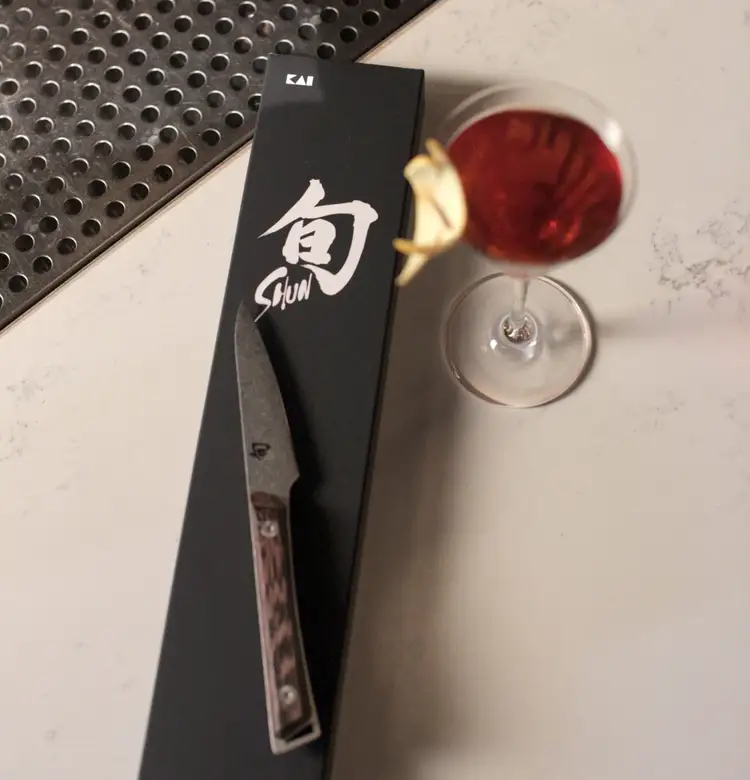
Kyton Blair: As long as I have been behind a bar, a quality knife has been key to success. Using a high-level knife like a Shun truly makes your prep and garnish work easier, especially during service.
What makes a great knife?
Kyton Blair: I have found the best knives are durable, balanced, and easily maintained over time. The Kanso set is the best of all these for a craft bar or kitchen.
What is your go-to knife?
Kyton Blair: Behind the bar, I strongly lean toward a utility knife. It is particularly effective for slicing citrus, but it can also be used for trimming peels for the most complex garnishes.
What advice would you give to aspiring mixologists who are just starting out?
Kyton Blair: Study what those around you are doing and ask all the questions. Go to places you respect to taste and experience their hospitality.
What do you love about the Seattle food and beverage community?
Kyton Blair: In Seattle, we believe a rising tide raises all ships, and helping with flavors and techniques is always open for discussion. The climate lends itself to growing almost anything, and the strong Asian influence gives way to many collaborations in the food and beverage world.
What was a pivotal moment in your career that helped shape your hospitality identity?
Kyton Blair: I would say when I first had a drink that people continued ordering even after it was off the menu. That helped me collaborate with guests to create new drinks and flavors because of the trust built from past cocktails.
What’s your go-to drink?
Kyton Blair: My go-to drink is always a Negroni. It is perfect before, during, and after a meal. If made well, few things rival its complexity and balance.
If you could make a drink for anyone in the world, who would it be and why?
Kyton Blair: Randy Johnson, with a spicy margarita, because he was always tall, spicy, and fearless.
If you had to describe your hospitality journey in one word, what would it be?
Kyton Blair: Enlightening.
Watch: Bartender Kyton Blair on the Art of Precision

Recent Articles
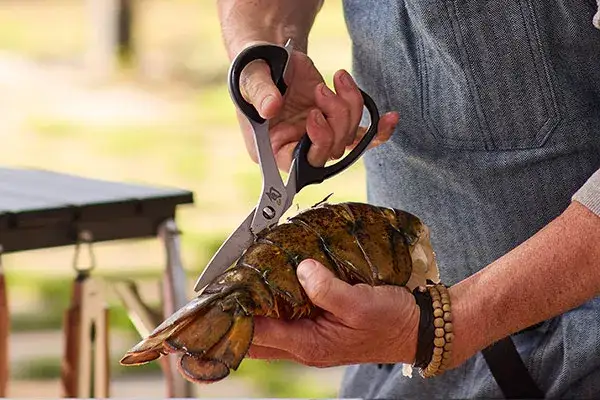
KNIFE KNOWLEDGE | What You Didn’t Know You Could Do With Kitchen Shears
Kitchen shears are one of the most overlooked tools in the kitchen. Explore how they bring speed, control, and precision to everyday prep, and why they deserve a place alongside your knives.
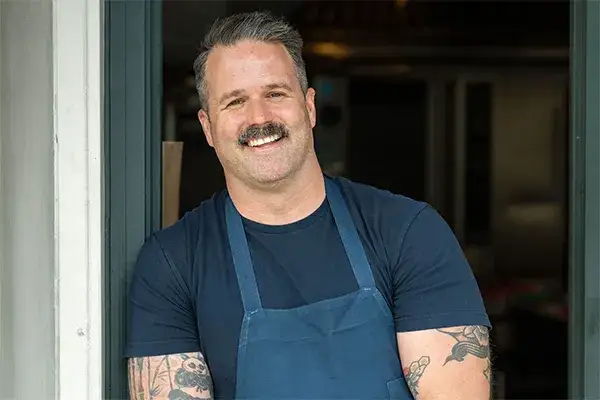
BEHIND THE BLADE | Refined Over Time: Chef Avery Hardin on Tools, Technique, and Growth
With 25 years in the kitchen, Chef Avery Hardin shares how experience, consistency, and the right tools continue to shape his craft.
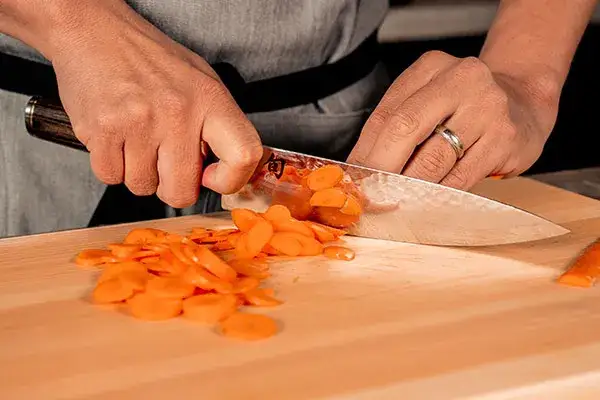
KNIFE KNOWLEDGE | Shun 101 Part 1: Why Shun Knives Feel So Different
Discover why Shun knives stand apart through centuries of Japanese craftsmanship, superior steel, and precision engineering. This article explores what makes Shun knives lighter, sharper, and more intuitive for effortless, elevated cooking every day.
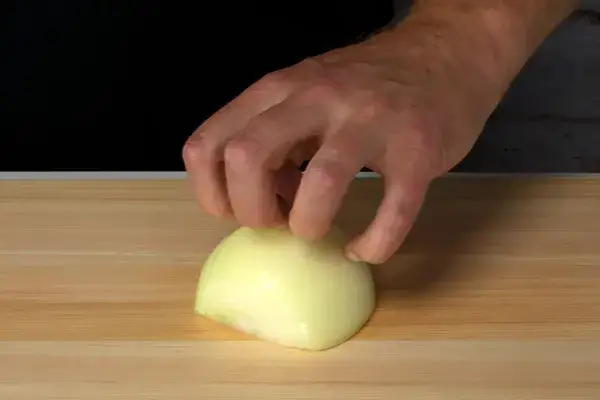
KNIFE KNOWLEDGE | Shun 101 Part 2: Knife Anatomy and the Perfect Chef’s Grip
Learn the anatomy of a Shun knife and how to hold it like a pro. This guide covers each part of the knife and demonstrates the chef’s grip, giving you better control, comfort, and cutting precision in the kitchen.
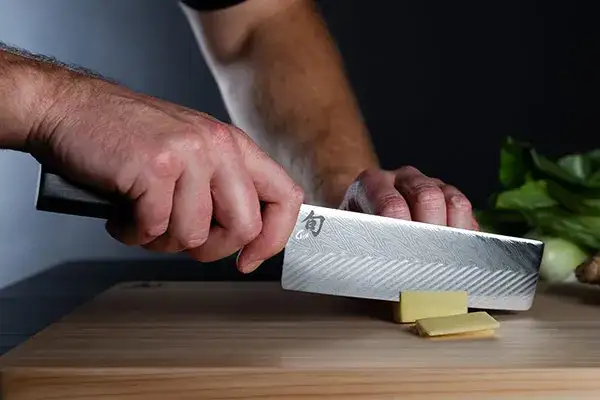
KNIFE KNOWLEDGE | Shun 101 Part 3: Essential Knife Cuts Every Home Chef Should Master
Mastering a few core knife cuts can transform your time in the kitchen. Whether you're prepping for a quick weeknight stir-fry or plating a dish with precision, the right cut enhances both flavor and presentation. With a Shun knife in hand, you’ll find each movement smoother, sharper, and more satisfying.
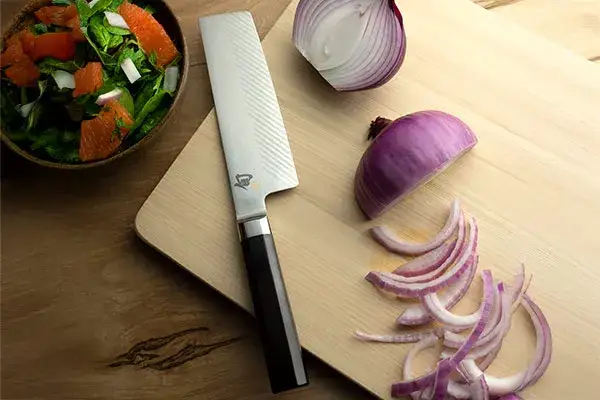
KNIFE KNOWLEDGE | Shun 101 Part 4: Knife Techniques for Everyday Ingredients
Learn essential cutting techniques for common kitchen staples like onions, bell peppers, and broccoli. This guide walks you through simple, effective steps to prep vegetables with confidence—using the right Shun knife for the job.
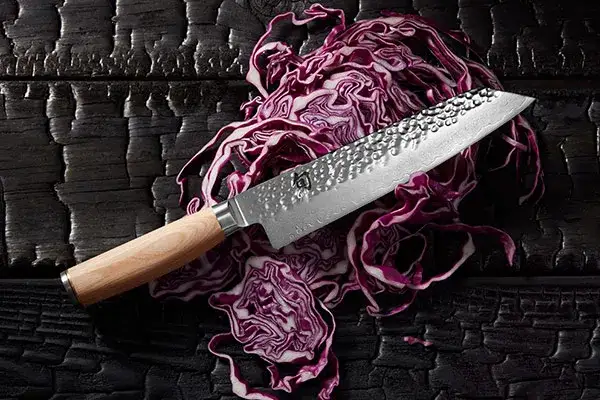
KNIFE KNOWLEDGE | Know Your Knife: Mastering the Kiritsuke Knife
Discover the story behind the kiritsuke—its heritage, purpose, and what sets each Shun version apart. Precision, tradition, and performance come together in this iconic blade.